
Weight Management
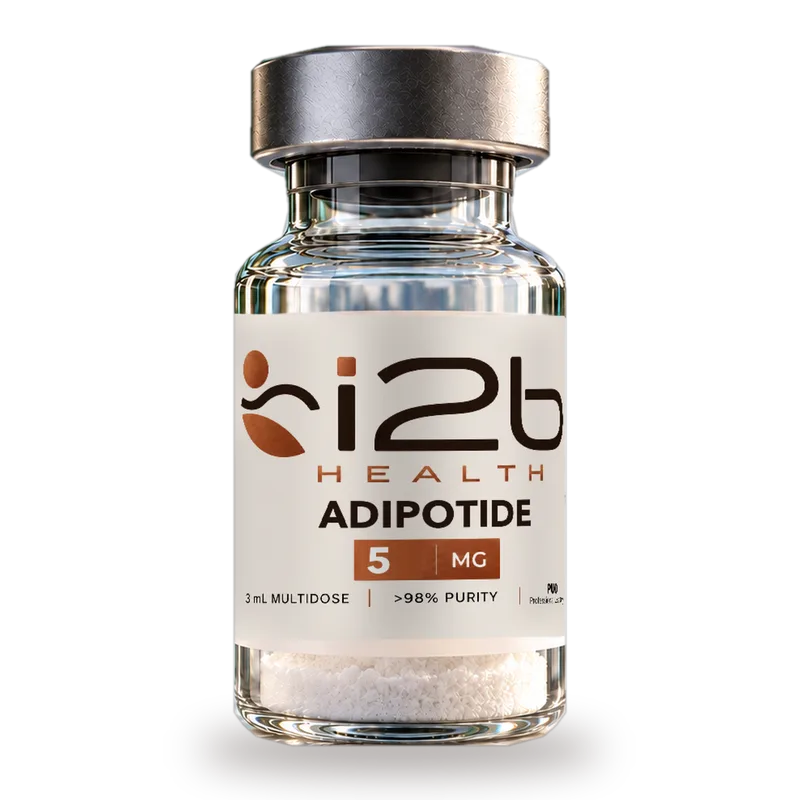
Adipotide
10 · 5mg · not currently in stock
Peptidomimetic compound studied for targeted adipose tissue apoptosis and vascular disruption in fat cells.
Mechanism
Adipotide (FTPP — Prohibitin Targeting Peptide 1) is a chimeric peptide composed of two functional domains: a targeting sequence that binds to prohibitin on the surface of blood vessels supplying white adipose tissue, and a pro-apoptotic sequence (D(KLAKLAK)2) that disrupts mitochondrial membranes upon internalization. By selectively inducing apoptosis in the endothelial cells of the adipose vasculature, adipotide causes ischemic changes in adipocytes, resulting in measurable alterations in adipose tissue composition. This vascular-targeting approach bypasses traditional metabolic pathways entirely.
What the literature has looked at
- Studies in obese rhesus monkeys investigated adipose tissue metabolism and metabolic parameters
- Research has examined targeted vascular ablation as a mechanism for adipose tissue modulation
- Studies have explored prohibitin as a surface marker for adipose-specific drug delivery
- Preclinical work has assessed renal and metabolic safety parameters in primate models
Research context, not a claim about what this compound does. Research Use Only — not for human or animal consumption. 21+.
Cited work
Barnhart KF, et al. A peptidomimetic targeting white fat causes weight loss and improved insulin resistance in obese monkeys. Sci Transl Med. 2011;3(108):108ra112.
Research investigated the effects of adipotide on adipose vasculature remodeling in obese rhesus monkeys, observing changes in body composition and insulin signaling pathways over a 4-week period.
Kolonin MG, et al. Reversal of obesity by targeted ablation of adipose tissue. Nat Med. 2004;10(6):625-632.
Demonstrated that targeting the vascular supply of adipose tissue with a pro-apoptotic peptide could modulate adipose tissue composition in mouse models through vascular remodeling mechanisms.
Carries your code if you arrived with one — check the badge in the header.