
Recovery
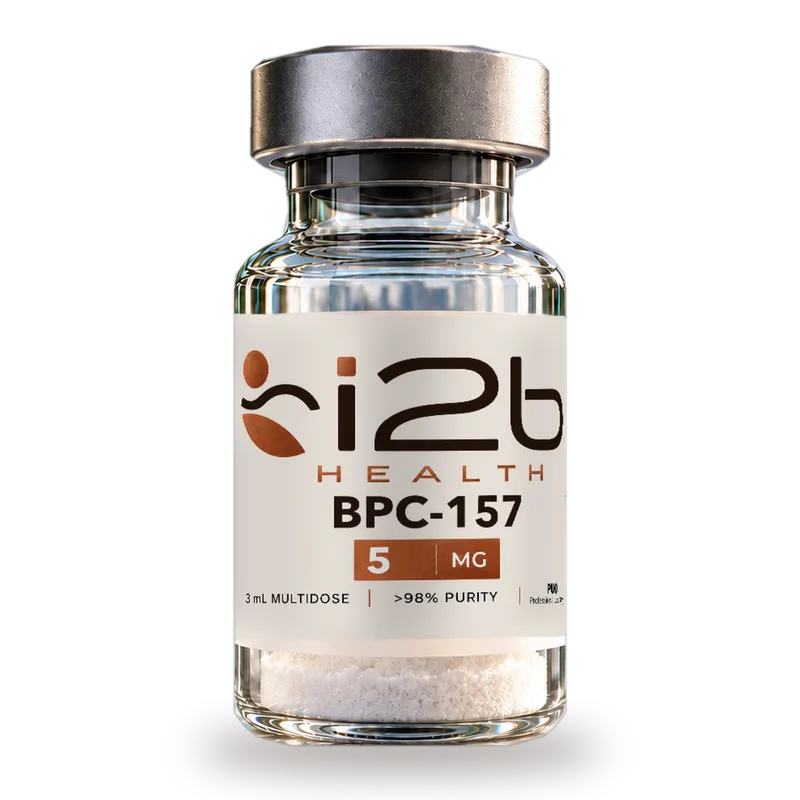
BPC-157
10mg · 5mg · not currently in stock
Body Protection Compound studied for gut healing, tendon and ligament repair, and systemic anti-inflammatory effects.
Mechanism
BPC-157 (Body Protection Compound-157) is a 15-amino acid peptide derived from the sequence of human gastric juice protein BPC. Its mechanism of action is multifaceted: it promotes angiogenesis by upregulating vascular endothelial growth factor (VEGF) and its receptors, modulates the nitric oxide (NO) system, and interacts with the dopaminergic, serotonergic, and GABAergic systems. BPC-157 has demonstrated effects on tissue repair mechanisms in tendons, ligaments, muscle, bone, and gastrointestinal mucosa in numerous animal models. It modulates tendon-to-bone repair signaling through increased collagen organization and promotes formation of granulation tissue in preclinical wound models.
What the literature has looked at
- Studies have investigated tendon, ligament, and muscle tissue repair mechanisms in animal models
- Research has examined gastrointestinal mucosal protection and tissue repair signaling
- Studies have explored angiogenic mechanisms through VEGF pathway modulation
- Research has assessed neuroprotective properties and peripheral nerve repair signaling
Research context, not a claim about what this compound does. Research Use Only — not for human or animal consumption. 21+.
Cited work
Sikiric P, et al. Brain-gut axis and pentadecapeptide BPC 157: theoretical and practical implications. Curr Neuropharmacol. 2016;14(8):857-865.
Comprehensive review of BPC-157 effects across the brain-gut axis, documenting tissue-repair signaling and protective mechanisms in gastrointestinal, musculoskeletal, and neurological research models.
Chang CH, et al. The promoting effect of pentadecapeptide BPC 157 on tendon healing involves tendon outgrowth, cell survival, and cell migration. J Appl Physiol. 2011;110(3):774-780.
Research investigated BPC-157-mediated effects on tendon repair signaling, observing promotion of tendon cell outgrowth, enhanced cell survival under stress, and stimulation of cellular migration pathways.
Properties
- type
- Peptide (pentadecapeptide, 15 amino acids)
Carries your code if you arrived with one — check the badge in the header.