
Anti-inflammatory
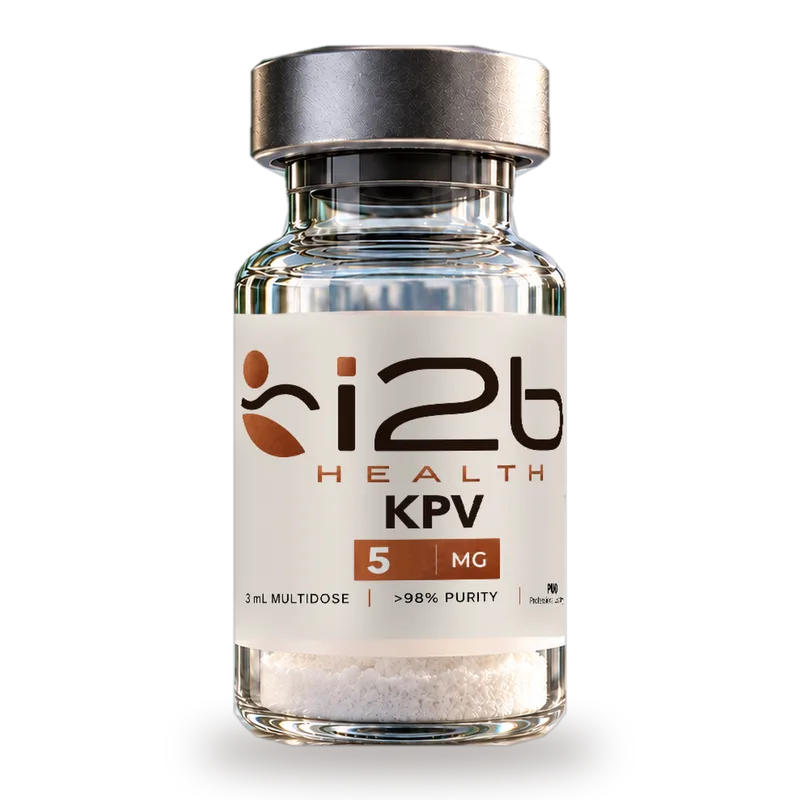
KPV
5mg · 10mg · not currently in stock
Tripeptide fragment of alpha-MSH studied for potent anti-inflammatory activity, gut health, and wound healing.
Mechanism
KPV (Lys-Pro-Val) is the C-terminal tripeptide of alpha-melanocyte stimulating hormone (alpha-MSH, amino acids 11-13). Despite being only three amino acids, KPV retains the anti-inflammatory activity of the full alpha-MSH molecule while lacking melanocortin receptor binding and melanogenic effects. Its primary mechanism involves direct entry into cells and inhibition of the NF-kappaB signaling pathway, specifically by preventing the nuclear translocation of the p65 subunit. This suppresses transcription of pro-inflammatory cytokines including TNF-alpha, IL-1beta, IL-6, and IL-8. KPV also interacts with inflammatory signaling through PepT1 transporter-mediated uptake in intestinal epithelial cells.
What the literature has looked at
- Studies have investigated anti-inflammatory effects through NF-kappaB suppression
- Research has examined its effects in inflammatory bowel research models
- Studies have explored topical applications for inflammatory skin signaling models
- Research has assessed its effects on mucosal tissue repair in colitis models
Research context, not a claim about what this compound does. Research Use Only — not for human or animal consumption. 21+.
Cited work
Getting SJ, et al. Dissection of the anti-inflammatory effect of the core and C-terminal (KPV) alpha-melanocyte-stimulating hormone peptides. J Pharmacol Exp Ther. 2003;306(2):631-637.
Compared the core and C-terminal (KPV) fragments of alpha-MSH in a murine inflammation model and found the C-terminal tripeptide retained anti-inflammatory activity.
Dalmasso G, et al. PepT1-mediated tripeptide KPV uptake reduces intestinal inflammation. Gastroenterology. 2008;134(1):166-178.
KPV was shown to enter colonocytes via the PepT1 peptide transporter and reduce intestinal inflammation in murine colitis models by inhibiting NF-kappaB pathway activation.
Properties
- molecular Formula
- C₁₆H₃₀N₄O₄
- molar Mass
- 342.43 g/mol
- type
- Peptide (tripeptide)
Carries your code if you arrived with one — check the badge in the header.