
Mitochondrial
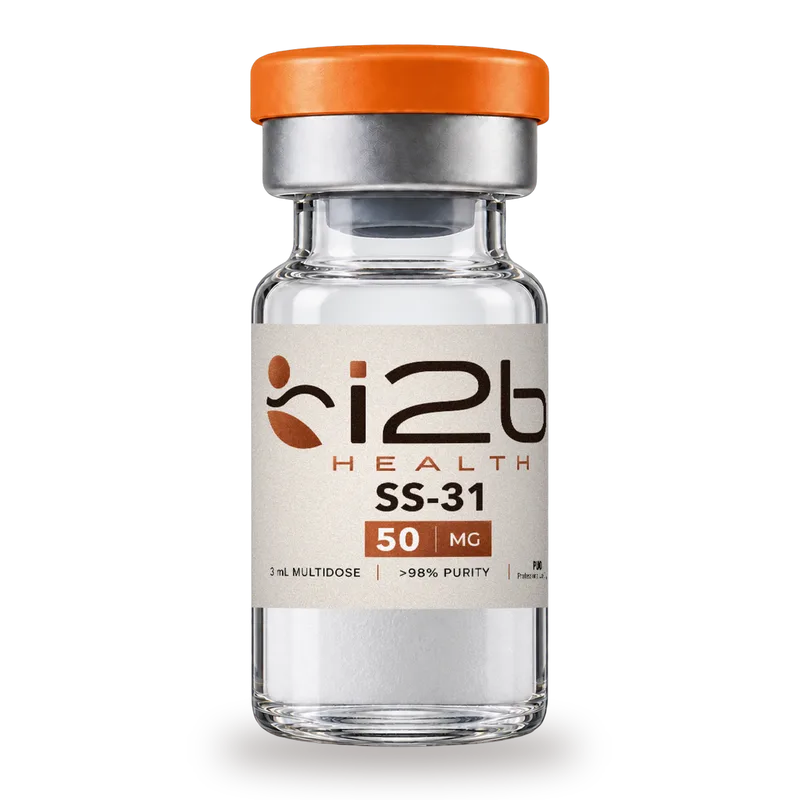
SS-31
10mg · 50MG · not currently in stock
Mitochondria-targeted antioxidant peptide studied for cellular energy and longevity.
Mechanism
SS-31 (D-Arg-dimethylTyr-Lys-Phe-NH2, also known as elamipretide or MTP-131) is a cell-permeable, mitochondria-targeted peptide that concentrates >1000-fold in mitochondria. It selectively binds to cardiolipin, a phospholipid unique to the inner mitochondrial membrane that is essential for the organization of electron transport chain complexes. By stabilizing cardiolipin-dependent interactions of cytochrome c with the inner membrane, SS-31 optimizes electron transfer, reduces electron leak and reactive oxygen species (ROS) production, and improves ATP generation efficiency. In aged and diseased mitochondria where cardiolipin oxidation is prevalent, SS-31 restores bioenergetic function.
What the literature has looked at
- Studies have investigated mitochondrial function in primary mitochondrial myopathy research models (Barth syndrome)
- Studies have examined cardiac function signaling in heart failure research models
- Research has explored renal protective effects in ischemia-reperfusion injury models
- Studies have assessed age-related mitochondrial dysfunction and skeletal muscle function signaling
Research context, not a claim about what this compound does. Research Use Only — not for human or animal consumption. 21+.
Cited work
Birk AV, et al. The mitochondrial-targeted compound SS-31 re-energizes ischemic mitochondria by interacting with cardiolipin. J Am Soc Nephrol. 2013;24(8):1250-1261.
Demonstrated that SS-31 binds specifically to cardiolipin, restores electron transport chain function in ischemic mitochondria, and reduces ROS production while improving ATP synthesis.
Szeto HH. First-in-class cardiolipin-protective compound as a therapeutic agent to restore mitochondrial bioenergetics. Br J Pharmacol. 2014;171(8):2029-2050.
Review establishing SS-31 as the first compound specifically designed to target and protect cardiolipin, with demonstrated efficacy in research models of heart failure, renal injury, and neurodegeneration.
Properties
- type
- Peptide (tetrapeptide, mitochondria-targeted)
Carries your code if you arrived with one — check the badge in the header.