
Recovery
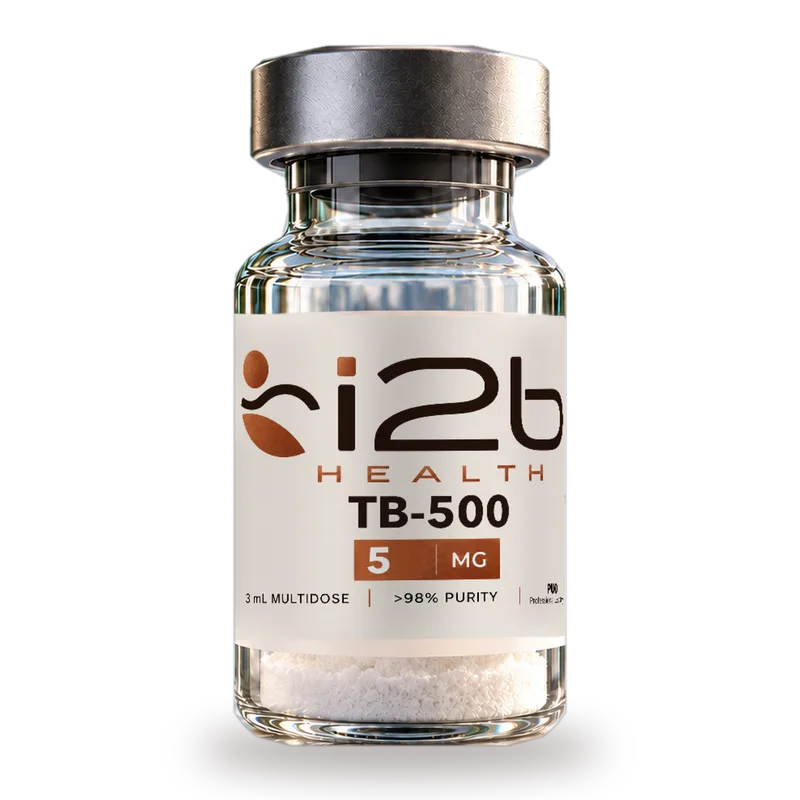
TB-500
5mg · 10mg · not currently in stock
Synthetic fragment of Thymosin Beta-4 studied for systemic tissue repair, reduced inflammation, and accelerated wound healing.
Mechanism
TB-500 is a synthetic version of the active region (amino acids 17-23, Ac-SDKP related sequence) of thymosin beta-4, a 43-amino acid protein that is the primary intracellular G-actin sequestering peptide. By binding to and sequestering monomeric G-actin, TB-500 regulates actin polymerization, which is essential for cell migration, cytokinesis, and cytoskeletal organization. This actin regulation promotes the migration of endothelial cells, keratinocytes, and stem/progenitor cells to sites of injury. TB-500 also promotes angiogenesis by upregulating VEGF expression and stimulates the production of extracellular matrix proteins. Additionally, it possesses anti-inflammatory properties through downregulation of inflammatory cytokines.
What the literature has looked at
- Studies have investigated tissue repair mechanisms through cell migration promotion
- Research has examined cardiac repair signaling and cardiomyocyte survival after ischemic injury in research models
- Studies have explored corneal tissue repair signaling and anti-inflammatory effects
- Research has assessed hair follicle stem cell migration and hair regrowth signaling pathways
Research context, not a claim about what this compound does. Research Use Only — not for human or animal consumption. 21+.
Cited work
Malinda KM, et al. Thymosin beta 4 accelerates wound healing. J Invest Dermatol. 1999;113(3):364-368.
Research investigated thymosin beta-4-mediated tissue repair mechanisms in rats, observing enhanced keratinocyte migration, collagen deposition signaling, and angiogenesis at the application site.
Smart N, et al. Thymosin beta 4 and angiogenesis: modes of action and therapeutic potential. Angiogenesis. 2007;10(4):229-241.
Reviewed thymosin beta-4's pro-angiogenic mechanisms, demonstrating its role in endothelial cell migration, survival, and tubule formation, with particular relevance to cardiac repair signaling after ischemia in research models.
Properties
- type
- Peptide (synthetic thymosin beta-4 fragment)
Carries your code if you arrived with one — check the badge in the header.